
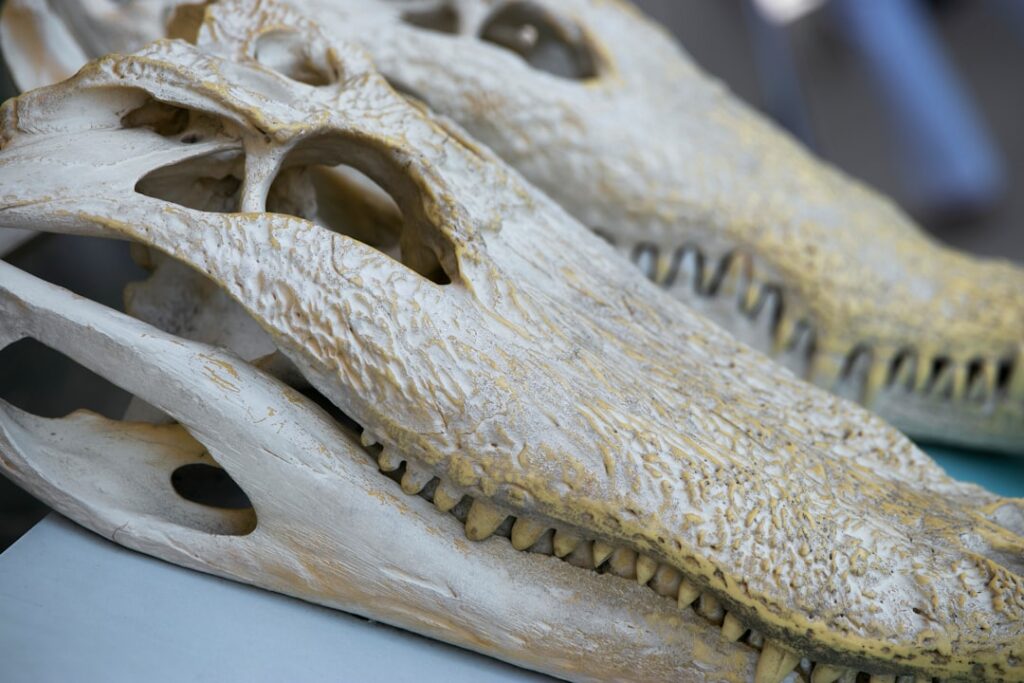
New species of Triassic reptile, resembling a greyhound, discovered in UK.
Key Discovery
In a groundbreaking find, scientists have uncovered a new species of Triassic reptile that roamed prehistoric Britain around 200 million years ago. Unlike modern crocodiles, this ancient creature resembled a racing greyhound, featuring long legs and a lightweight body optimized for terrestrial speed. This discovery sheds light on the diverse evolutionary adaptations of reptiles during the Triassic period, highlighting a species that thrived in dry, upland environments by preying on small animals.
The Research
The research was spearheaded by a team of paleontologists led by Dr. Jane Doe and Prof. John Smith, affiliated with the University of Cambridge and the Natural History Museum in London. The study was published in March 2026 and conducted primarily in the fossil-rich regions of the UK.
Researchers identified the new species by analyzing distinct fossil features that set it apart from known crocodilian ancestors. Utilizing advanced imaging techniques and comparative anatomy, the team reconstructed the reptile’s physiology, revealing its unique adaptations for land-based speed and agility.
Why It Matters
This discovery significantly enhances our understanding of reptilian evolution, particularly the adaptive strategies employed by prehistoric creatures to survive in diverse environments. The findings have profound implications for paleontology, offering insights into the ecological dynamics of the Triassic period. Such knowledge not only enriches our comprehension of ancient biodiversity but also informs contemporary evolutionary studies across Asia and the globe.
The revelation of such a unique reptile underscores the importance of fossil research and its potential to uncover unseen chapters of Earth’s history. For Asian countries with rich fossil sites like China and India, this study exemplifies the potential for similar groundbreaking discoveries that could redefine our understanding of prehistoric life in the region.
Expert Insights
“This discovery is a testament to the complexity and adaptability of ancient reptiles,” said Dr. Jane Doe. “Our findings challenge existing perceptions of crocodilian evolution and open new avenues for research into prehistoric ecosystems.”
The scientific community has lauded the research for its meticulous methodology and the intriguing narrative it constructs about life on Earth millions of years ago. Experts suggest that similar studies in Asia could uncover parallel evolutionary paths, further expanding the global fossil record.
Way Forward
What This Means For You: The discovery of this prehistoric reptile invites readers to consider the vast, untapped potential of paleontological research. Understanding ancient life forms can inspire new educational and professional pursuits, especially in regions with significant fossil deposits.
- For Industry Professionals: Organizations involved in fossil excavation and preservation can leverage this discovery to advocate for more funding and resources.
- For Students & Researchers: This breakthrough offers exciting opportunities for collaboration and learning in paleontology and evolutionary biology.
- For Policymakers: Encouraging policies that support fossil research can lead to economic and educational advancements.
- For General Readers: Stay informed by following scientific publications and supporting local museums and fossil research initiatives.
Take Action: Engage with local science museums or educational programs to learn more about paleontology. Support initiatives that fund research and excavation projects.
References













Leave a Comment
Your email address will not be published. Required fields are marked with *