
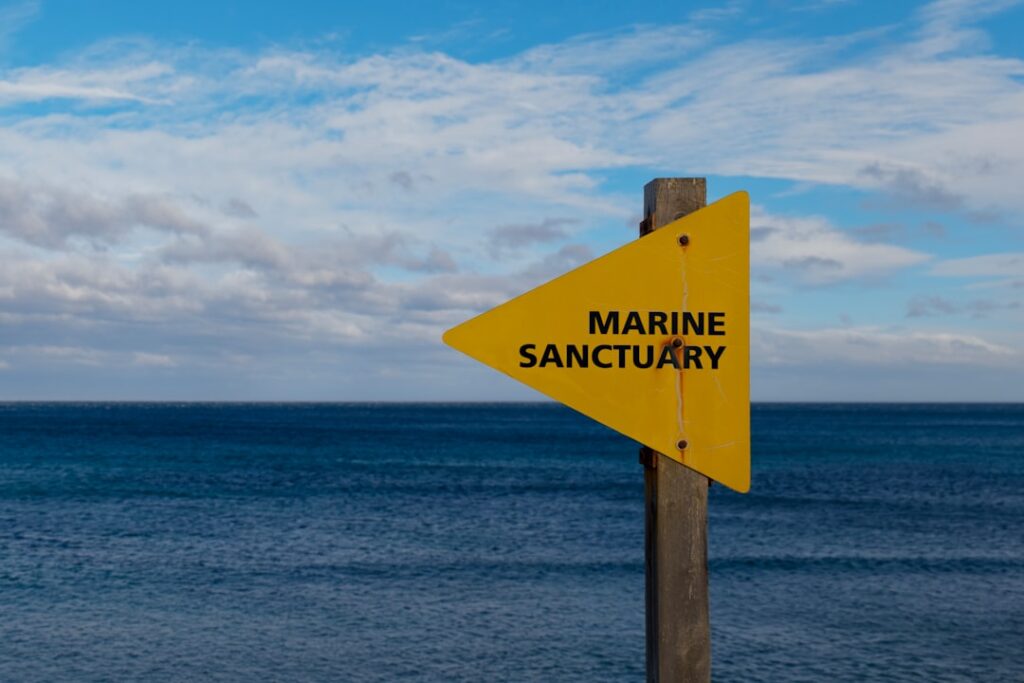
New study unveils behavior as critical factor for marine protected areas’ success.
Key Discovery
In a groundbreaking study, researchers at James Cook University have identified that the effectiveness of marine protected areas (MPAs) is heavily dependent on the behaviors of individuals within these zones. The research emphasizes that compliance with conservation regulations is a crucial, yet often overlooked, element that determines the success of MPAs. The study advocates for strategies that systematically and adaptively address human behavior to enhance conservation efforts.
The Research
The research was led by Dr. James Cook and his team from James Cook University, a leading institution in marine research. It was conducted in Townsville, Australia, and published in March 2026. The study involved an extensive analysis of various MPAs around the world, focusing on the correlation between human behavior and conservation outcomes.
The researchers employed a mixed-methods approach, combining quantitative data from ecological assessments with qualitative insights from surveys and interviews with stakeholders involved in MPAs. This comprehensive methodology allowed them to identify key factors influencing compliance and to propose adaptive management strategies.
Why It Matters
This discovery has significant implications for marine conservation efforts, particularly in Asia, which is home to some of the world’s most biodiverse marine ecosystems. Countries like Indonesia, the Philippines, and Japan, which rely heavily on marine resources, could greatly benefit from implementing behavior-focused conservation strategies. The study’s findings suggest that improving compliance could enhance the resilience of marine ecosystems and ensure sustainable resource management.
Expert Insights
“Understanding and influencing human behavior is the missing piece in the conservation puzzle,” said Dr. James Cook. “Our research shows that by addressing this, we can significantly improve the effectiveness of MPAs,” he added.
The scientific community has welcomed the study, with experts highlighting its potential to transform how MPAs are managed globally. The focus on compliance as a critical factor is seen as a pioneering step towards more effective conservation practices.
Way Forward
What This Means For You: The findings of this study offer actionable insights for various stakeholders involved in marine conservation.
- For Industry Professionals: Opportunities to develop and implement innovative compliance monitoring technologies.
- For Students & Researchers: A new avenue of research focusing on behavioral science in conservation.
- For Policymakers: The need to integrate behavioral strategies in conservation policies and frameworks.
- For General Readers: A chance to engage in citizen science projects and community conservation efforts.
Take Action: Support local and global conservation initiatives, advocate for policy changes that incorporate behavioral insights, and participate in educational programs to raise awareness about the importance of compliance in marine conservation.
References













Leave a Comment
Your email address will not be published. Required fields are marked with *