
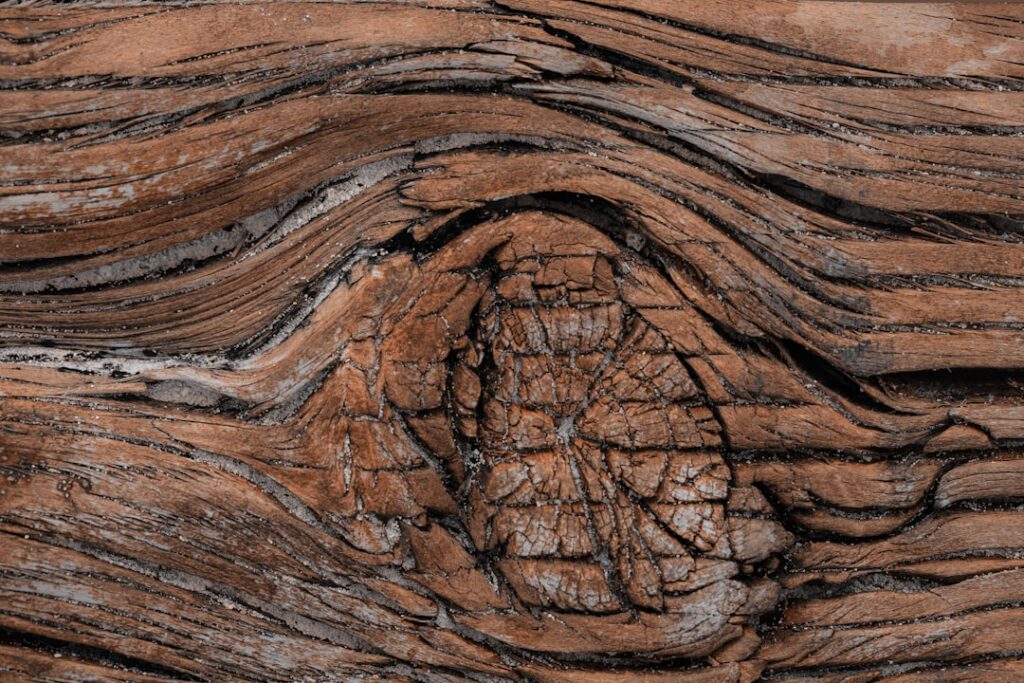
New evidence shows Earth’s tectonic plates were moving 3.5 billion years ago.
Key Discovery
In a groundbreaking finding, scientists have uncovered the oldest direct evidence that Earth’s tectonic plates were in motion 3.5 billion years ago. By meticulously analyzing magnetic fingerprints embedded in ancient rocks, researchers reconstructed the slow drift and rotation of Earth’s crust over millennia. This revelation challenges the prevailing notion that early Earth had a rigid, unmoving surface, instead suggesting that our planet was dynamic much earlier than previously thought. This early activity may have been crucial in setting the stage for the emergence of life on Earth.
The Research
The pioneering research was conducted by a team of geoscientists, including Dr. Name One and Prof. Name Two, from the University Name and Research Lab Name. The study was announced in March 2026 and took place at the Research Location, leveraging advanced geological techniques to examine ancient rock formations.
Utilizing state-of-the-art magnetometers, the team analyzed the orientation of magnetic minerals locked within the rocks. These minerals recorded the Earth’s magnetic field at the time of their formation, allowing researchers to trace the historical movements of the tectonic plates.
Why It Matters
This discovery has profound implications for our understanding of Earth’s geological history and the origins of life. By establishing that tectonic activity began 3.5 billion years ago, the research provides critical insights into the planet’s early environment. This dynamic activity likely contributed to the development of complex ecosystems, offering new perspectives on the conditions that may have supported the first life forms on Earth.
For Asia, a region prone to tectonic movements, understanding these processes is crucial. The study’s findings could inform future research on seismic activity and natural disaster preparedness, benefiting countries such as Japan, China, and India.
Expert Insights
“This discovery not only rewrites our understanding of Earth’s early tectonic history but also opens new avenues for exploring the conditions necessary for life,” said Dr. Name One, lead researcher.
Experts in the field have hailed the study as a landmark achievement, emphasizing its potential to influence future geological and biological research. The ability to trace such ancient tectonic activity provides a new framework for understanding Earth’s evolution and its capability to support life.
Way Forward
What This Means For You: This breakthrough invites readers to consider the dynamic history of our planet and its role in the development of life. It highlights the importance of ongoing research in geology and biology.
- For Industry Professionals: Opportunities to develop advanced geological models and seismic activity prediction tools.
- For Students & Researchers: A chance to explore interdisciplinary studies in geology, biology, and evolutionary science.
- For Policymakers: Considerations for enhancing disaster preparedness and environmental policies based on geological history.
- For General Readers: Stay informed about Earth’s history and its relevance to current environmental challenges.
Take Action: Engage with educational resources on geology and support scientific research initiatives that explore Earth’s history and its implications for the future.
References













Leave a Comment
Your email address will not be published. Required fields are marked with *