
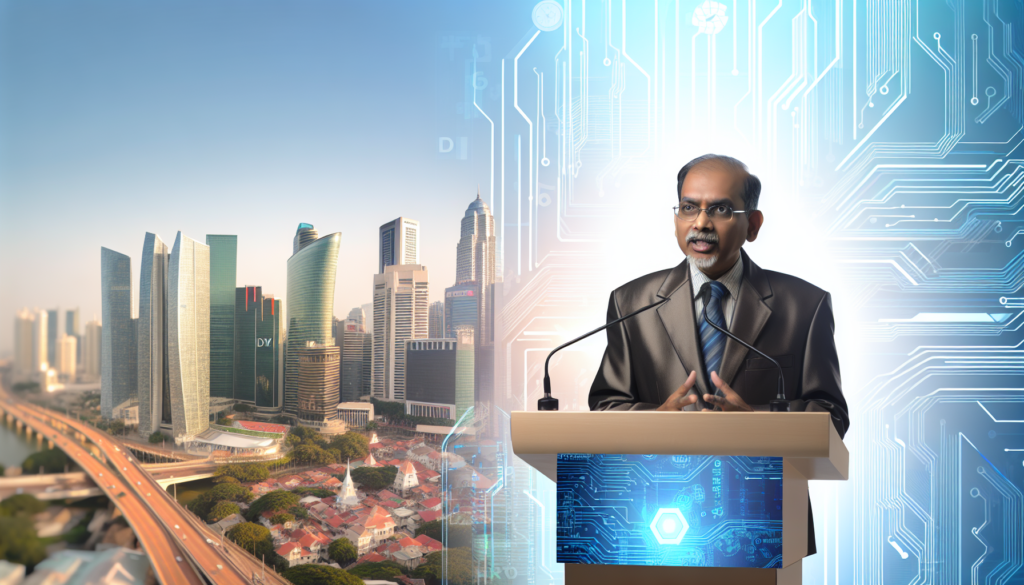
Explore the innovative therobaric technology that’s transforming climate solutions in Asia.
In the ever-evolving landscape of climate control technologies, therobaric technology is emerging as a revolutionary solution, particularly in Asia. This innovative approach combines the principles of thermal and baric (pressure-related) energy management to offer superior climate control solutions that are both energy-efficient and environmentally friendly.
What is Therobaric Technology?
Therobaric technology is a sophisticated method that integrates thermal management with advanced pressure systems to control atmospheric conditions within a defined environment. This technology is particularly advantageous for its ability to optimize energy usage while maintaining desired temperature and humidity levels.
“Therobaric systems are set to redefine the standards of energy efficiency and environmental stewardship,” says Dr. Sunil Mehta, a leading researcher in the field from India.
By employing principles of thermodynamics and fluid mechanics, therobaric systems modulate the heat and pressure within an enclosed space. This results in a more consistent and reliable climate control mechanism, reducing fluctuations that typically occur with traditional methods.
Applications in Asia
Countries like China, Japan, and India are at the forefront of adopting therobaric technologies. The high density of urban areas and the diverse climatic conditions across these regions make them ideal candidates for implementing such systems.
In China, therobaric technology is being integrated into smart city initiatives, where it helps manage the climate within residential and commercial complexes. Meanwhile, in Japan, it’s being applied in agricultural sectors to optimize greenhouse environments, ensuring year-round crop production despite external weather conditions.
India, with its varied climate zones, is exploring therobaric systems in public transportation infrastructures, such as railways and airports, to enhance passenger comfort and reduce energy consumption.
Advantages of Therobaric Technology
- Energy Efficiency: By optimizing both temperature and pressure, therobaric systems significantly reduce energy consumption compared to traditional HVAC systems.
- Environmental Impact: With lower energy requirements, these systems contribute to a reduction in greenhouse gas emissions, aligning with global environmental goals.
- Cost-Effective: Despite the initial setup cost, the long-term savings on energy bills make therobaric technology a financially viable option.
As Asia continues to grapple with the challenges of climate change and energy sustainability, therobaric technology offers a promising avenue for innovation and development. With ongoing research and increased investment, the adoption of such systems is expected to grow, paving the way for a more sustainable future in climate control.













Leave a Comment
Your email address will not be published. Required fields are marked with *